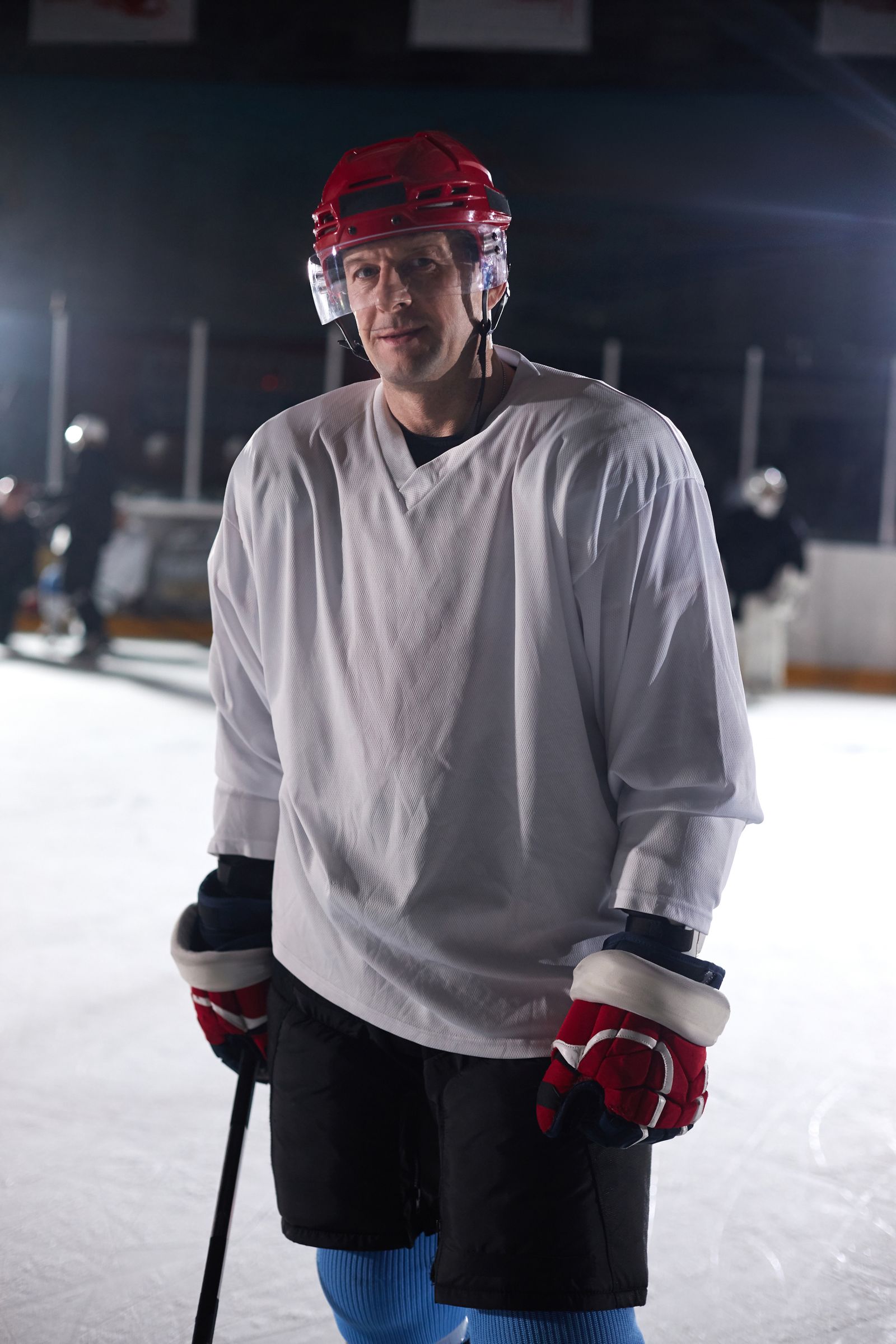
Parents ask us for the secret to fast progress, and the answer disappoints everyone hoping for a trick: edges before shots, consistency before intensity, and fun above all. Here is the weekly structure behind Ottermere's junior development squads — built to fit around school, not replace childhood.
Two ice sessions, one purpose each
Session one is skating only: inside and outside edges, crossovers both directions, transitions, and stops at increasing speed. No pucks for the first twenty minutes. Session two is puck skills: receiving passes in stride, shooting in motion, and small-area games where every player touches the puck constantly.
Off-ice: short, playful, supervised
Twenty minutes, twice a week. Bodyweight balance work, hopping and landing mechanics, and stickhandling with a wooden ball on any smooth surface. If it stops being fun, stop the drill — forced reps build resentment faster than skill.
"A child who loves Tuesday practice will out-develop the drilled prodigy by age fourteen. Every time."
Rest and fuel
Growing athletes need sleep more than extra ice. Nine to ten hours for under-twelves, a real meal within an hour of skating, and water before, during, and after. Watch for the warning signs of overload: dreading practice, nagging soreness, slipping grades. When in doubt, take the weekend off — the ice will wait.
Kit that fits, not kit that impresses
The most common junior mistake is oversized hand-me-downs. Skates should fit snugly with toes just feathering the cap; helmets must not wobble when the head shakes. Our junior gloves and small-shell helmets are sized for growing players, and our coaches check every fit at registration.
Ready to start? Message the rink office about junior evaluations — no experience needed, just skates and curiosity.